
Research Services
Organoid and disease microenvironment modeling platform
Leveraging tunable biomimetic hydrogels and automated 3D bioprinting technology, TeeLabs has established a standardized organoid and disease microenvironment modeling platform. Designed to overcome key industry bottlenecks—namely the physiological irrelevance of conventional 2D cell cultures and cross-species translational discrepancies in animal models—the platform delivers integrated preclinical validation solutions spanning disease modeling, target discovery, and efficacy evaluation.
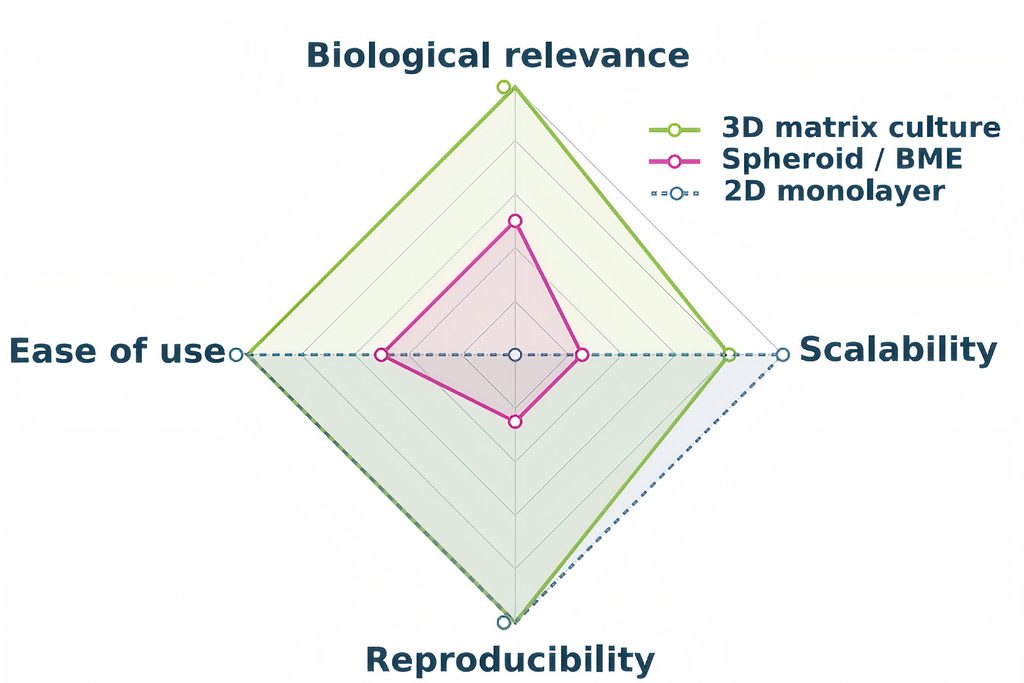
The platform enables precise modulation of matrix mechanical properties and biochemical composition to faithfully recapitulate diverse tissue architectures and pathological states, generating highly homogeneous in vitro 3D models with a coefficient of variation (CV) < 10%. TeeLabs provides specialized technical services including central nervous system (CNS) Alzheimer’s disease (AD) modeling, tumor microenvironment (TME) reconstruction, and idiopathic pulmonary fibrosis (IPF) model generation. Powered by this high-fidelity 3D in vitro evaluation framework, TeeLabs empowers biopharmaceutical partners to enhance target validation accuracy and accelerate early-stage drug discovery and translation.
Harnessing its proprietary instrument platform, TeeLabs has developed a comprehensive suite of 3D disease models customized for antibody-drug conjugate (ADC) efficacy evaluation, T-cell engager (TCE) mechanistic investigations, and complex tri-cultures of iPSC-derived neurons, astrocytes, and microglia.
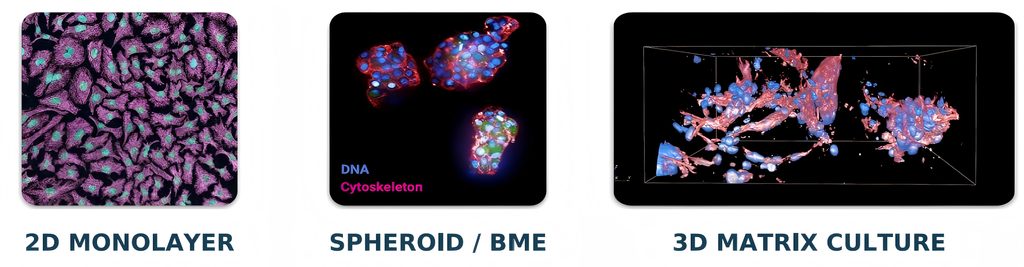
3D MODELS BRING BIOLOGY TO SCALE
3D culture represents spatial cell-cell and matrix interactions beyond flat monolayers.
Tunable, plate-based formats enable reproducible phenotypic assays at scale.
 |
 |
INDUSTRY SHIFT TO NAMs
FDA guidance and NIH investment support human-relevant models.
Combine tumor cells, immune cells and atunable matrix in standardized96-well workflows.

Compatible with microscopy, imaging, downstream analysis and standard laboratory equipment.
PBMC workflow; the representative CTLassay shows infiltration and tumor response.
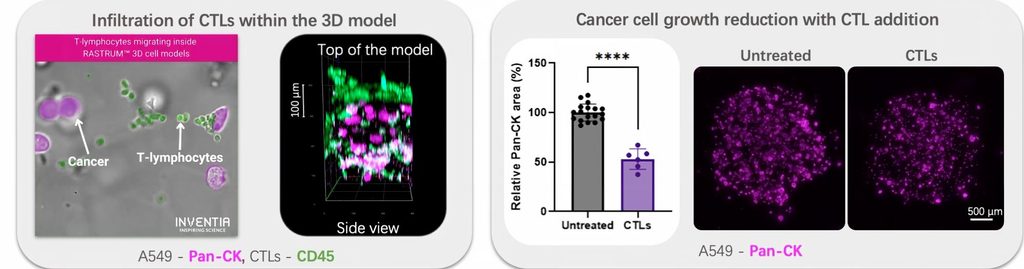
Shown: cD8 + cTL infiltration and lower A549 Pan-cK. area. Image: Inventia Life Science.
|
ONCOLOGY& I0 Immune infiltration tumor-stromz |
FIBROTIC DISEASE Fibroblast matrix models |
|
CNS DISORDERS Neural co-culture degeneration |
TOXICO LOG Hepatic cardiac response |
TEELABS 3D MODELING SERVICES
Published application examples and patient-derived model capabilities
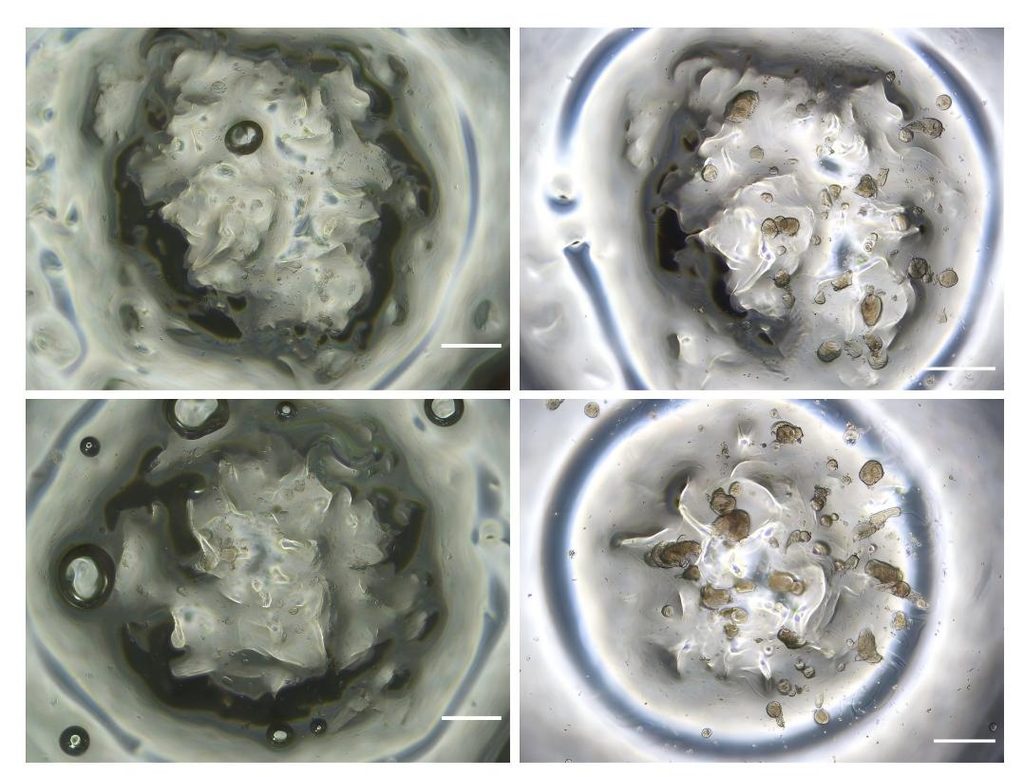
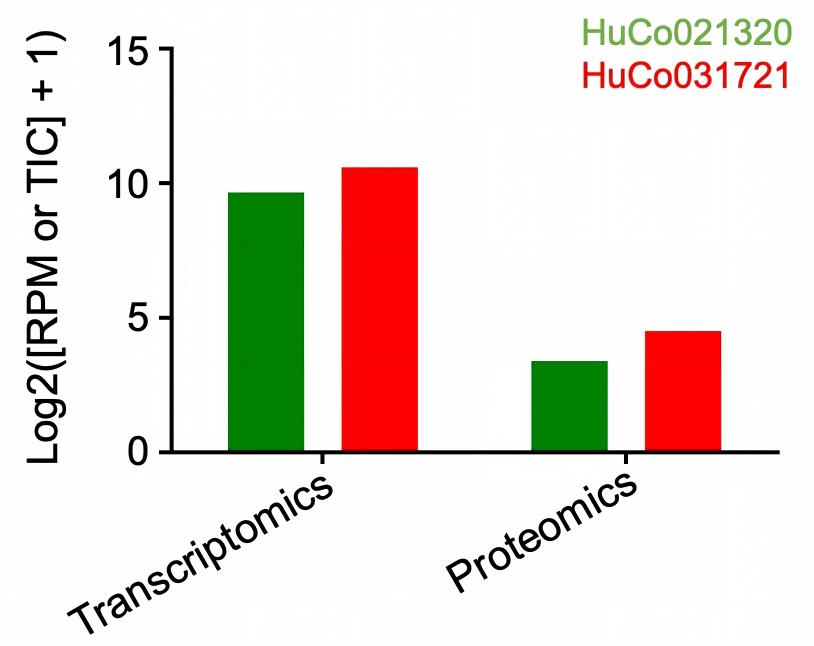
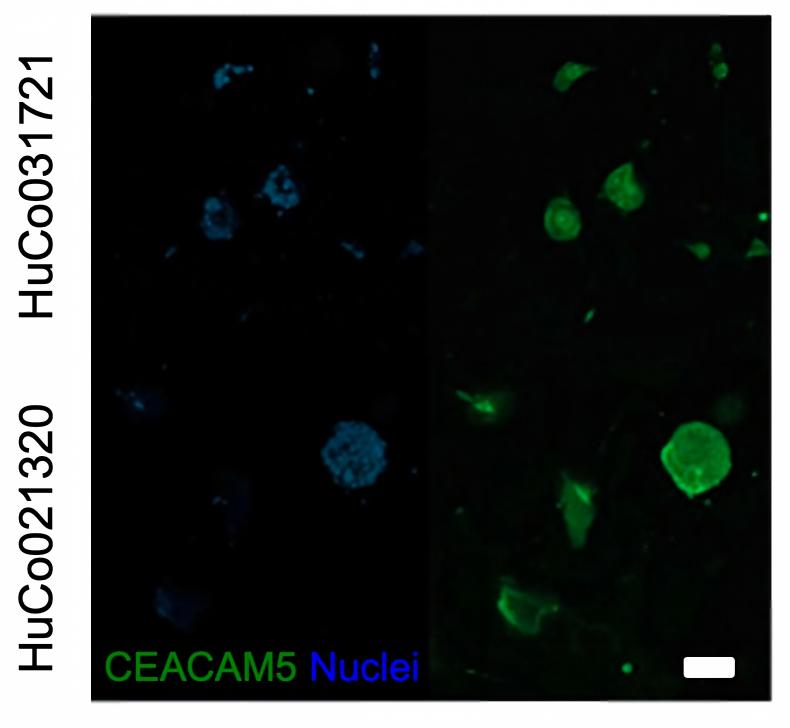
CEACAM5-targeted ADC screening in bioprinted 3D tumouroids.
 |
 |
 |
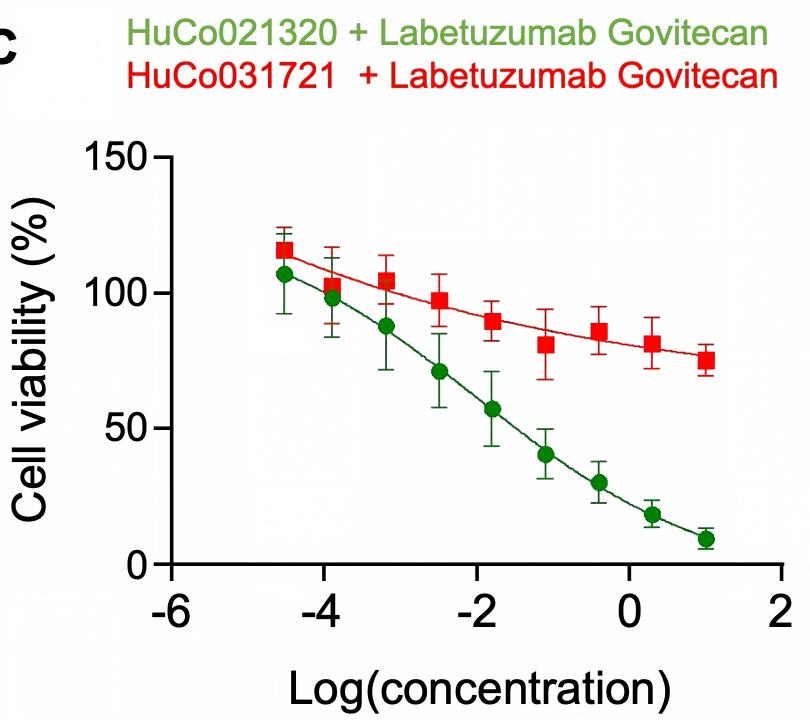 |
Despite comparable CEACAMS expression, intrinsic resistance to the SN – 38 payload governs ADC sensitivity in3D tumoroid models.
- INTERNALIZATION
Monclonalard bispecific ADC uptake - PENETRATION& TME
ECM, stroma and spatial target access - PAYLOAD SYNERGY
Combinations to sensitize resistant tumors - BYSTANDER EFFECT
Kl ling of antigen-low neighboring cells
Patient-derived 3D tumoroids: a scalable platform for mechanistic ADC pharmacology and clinically relevant response heterogeneity.
Developing 3D cell models for high-throughput antibody-drug conjugate screening in cancer AACR 2026
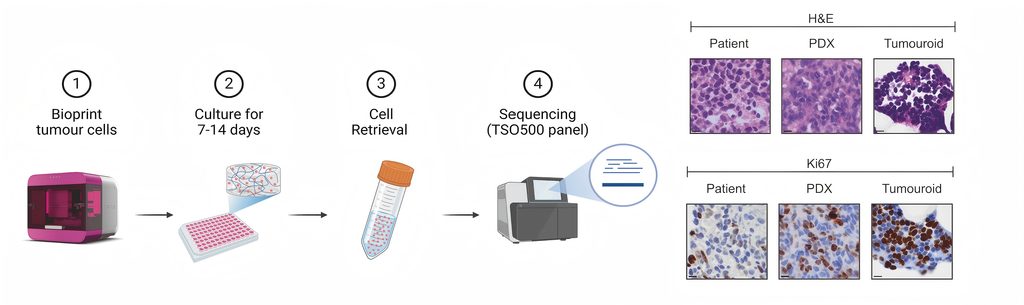
Engineered paediatric tumouroids retain viability and support drug profiling.
 |
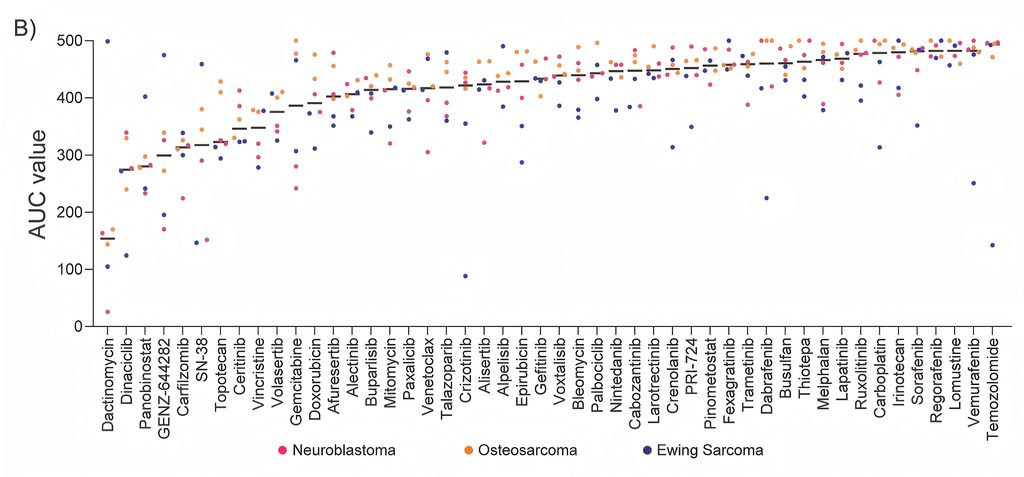 |
Screening revealed individual drug vulnerabilities across patient-derived models.
High-throughput 3D engineered paediatric tumour models for precision medicine Mol Syst Biol.2025
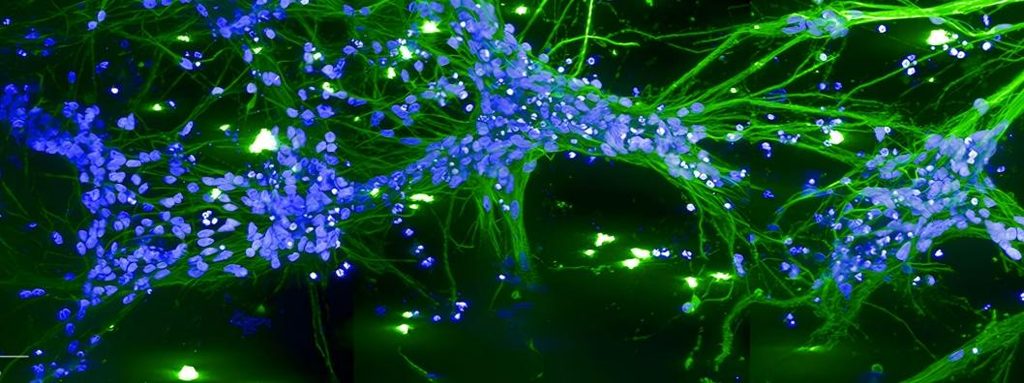
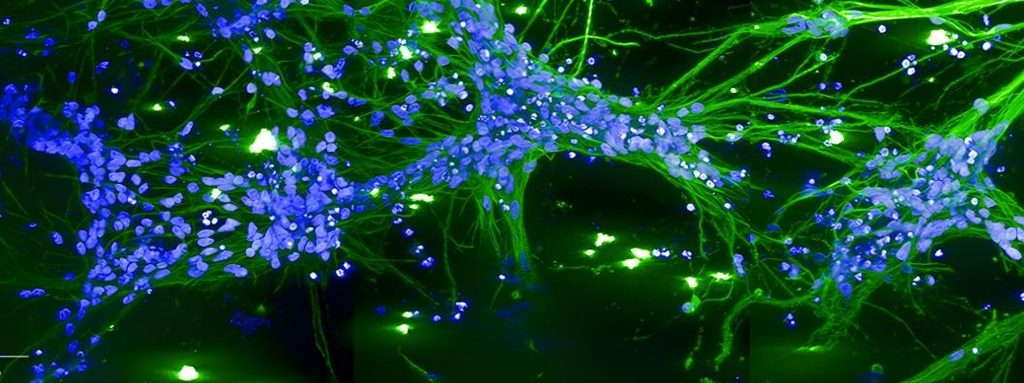
Bioprinted glutamatergic neurons astrocytes and microglia form interconnected3D networks.
 |
 |
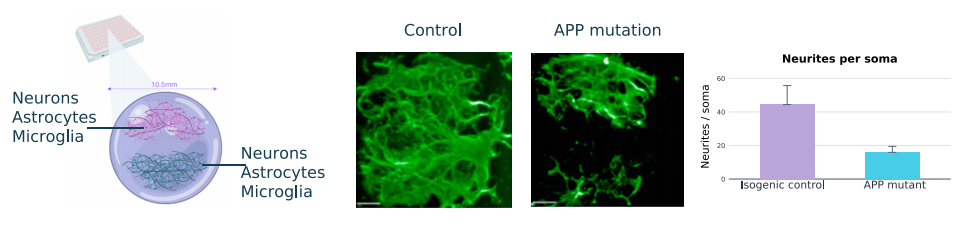
Hydrogel-bridged 3D models reveal APP-driven synaptic and oxidative pathologies undetectable in 2D.
High-throughput3D engineered paediatric tumour models for precision medicine Mol Syst Biol.2025
Tumour PDOs and resistance-focused panels for phenotypic drug testing.

Model scope: HER2 ADC/TKl, EGFR TKI, chemotherapy, immunotherapy and BRAF resistance.
TeeLabs has established 3D models for antibody-drug conjugate(ADC) evaluation. T-cell engager(TCE) studies, and co-culture of iPSC-derived neurons, astrocytes, and microglia.